


What a shared map changes in a meeting
Most meetings spend their first half agreeing what is true. What happens to the second half.

Watch a cross-functional review closely and the time splits in a consistent way. The first half goes on reconciliation — whose number is right, what stage that programme is really at, whether the partner was told. The second half, whatever is left of it, goes on the decision.
The proportions vary. The order almost never does.
Reconciliation is a symptom
It is tempting to treat this as a preparation problem and to solve it with pre-reads. It is not. Reconciliation happens because the participants arrived holding different records, and no amount of reading in advance changes that — it just moves the disagreement earlier.
What changes when the record is shared
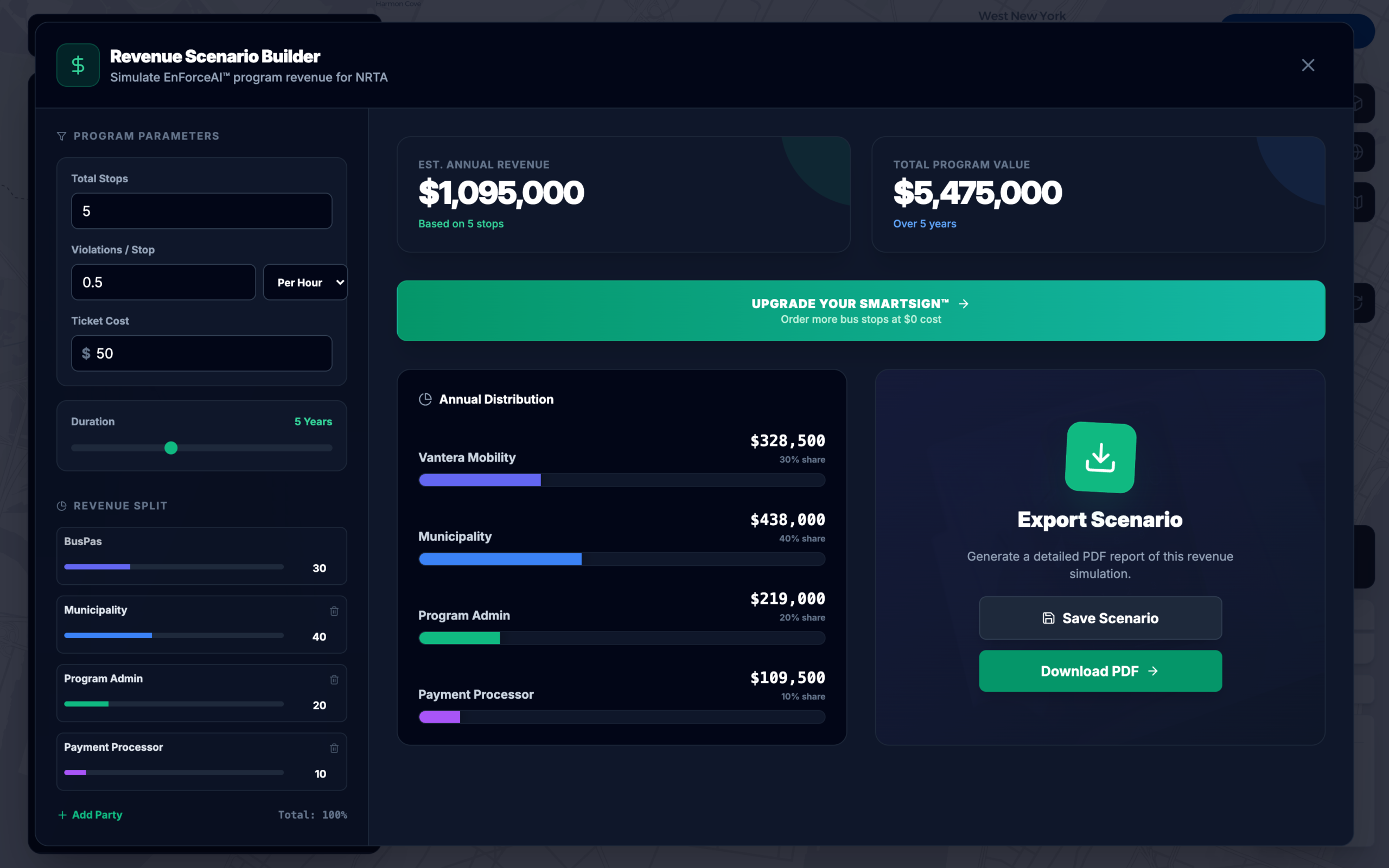
When everyone is reading the same objects, the reconciliation half disappears — not because people agree, but because there is nothing to reconcile. Disagreement moves to where it is useful: whether the decision is right, rather than whether the inputs are real.
The second change is that questions become answerable during the meeting. “How many sites does that affect?” stops being an action item and becomes a filter. The follow-up list gets shorter, which compounds — fewer follow-ups means fewer meetings that exist only to close them.
It exposes the gaps too
Worth saying plainly: a shared surface is unflattering at first. Ownership that was ambiguous becomes visibly ambiguous. Statuses that meant different things to different teams stop being able to. This is the point, but it is uncomfortable for a quarter or two.
The test
A simple one. In your next review, note the minute at which the group stops establishing facts and starts deciding. If it is past the halfway mark, the problem is not the agenda.