



The status deck is a lossy format
Every slide is a compression, and the compression is performed by the person being assessed.
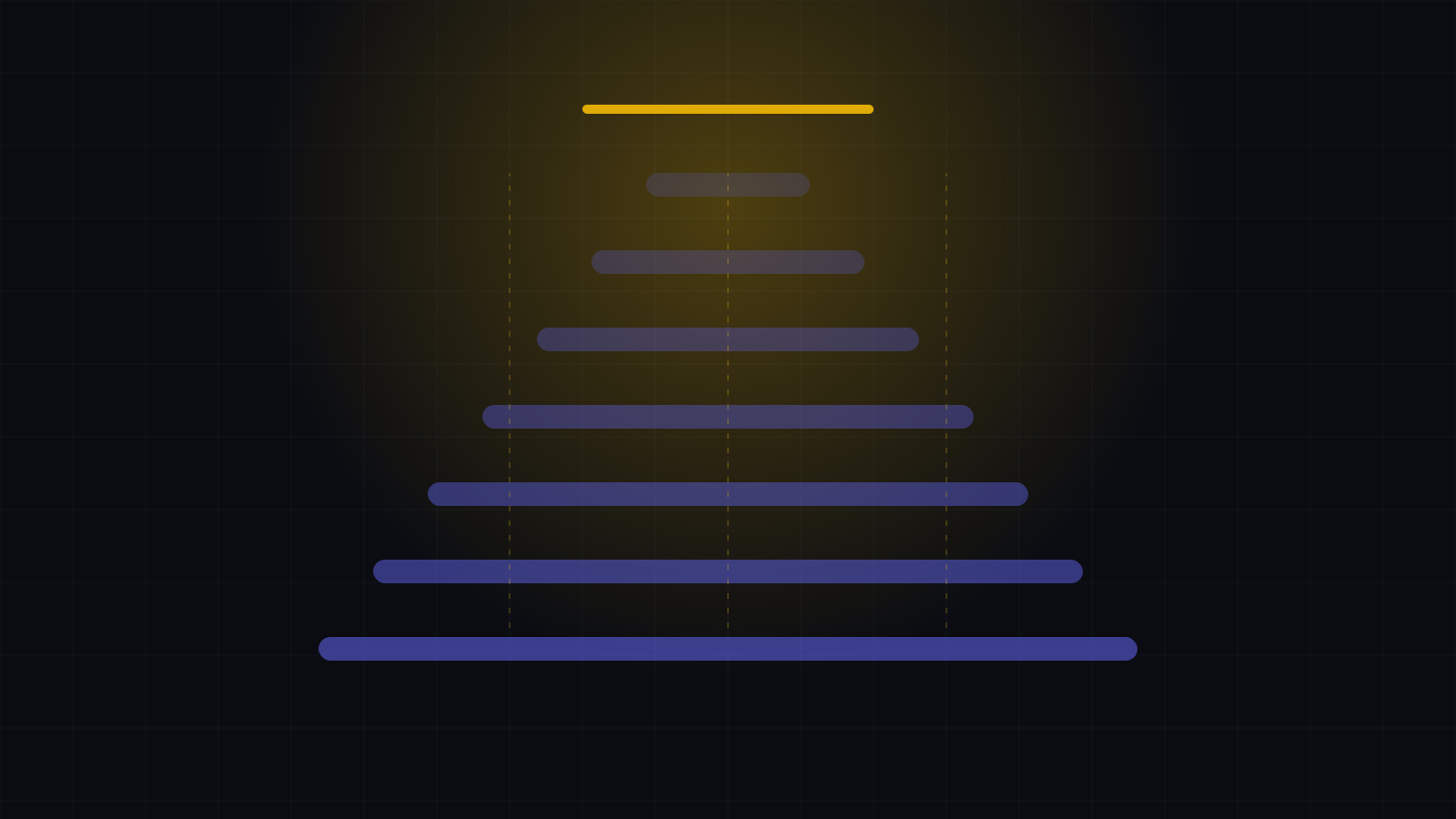
A programme runs for a quarter. It produces decisions, dependencies, changes of scope, a handful of near-misses and a great deal of context. Then it is compressed into eleven slides by the person accountable for it, and that is what leadership sees.
This is not dishonesty. It is compression, and compression discards. The question is only ever which parts get discarded, and who decides.
What survives the compression
What survives tends to be what is measurable, what is finished, and what reflects well. What does not survive tends to be the dependency that has not failed yet, the partner conversation that went badly, and the assumption everything else rests on.
None of those are hidden deliberately. They are simply harder to put on a slide than a completion percentage, and the slide has a fixed size.
The lag is structural
The second problem is timing. A deck describes a moment that has already passed by the time it is presented — usually by two to six weeks, depending on the cycle. Leadership is therefore always governing a slightly historical organization, and the gap widens with the pace of the work.
Shortening the cycle does not fix this. It just produces more decks.
Read the model instead
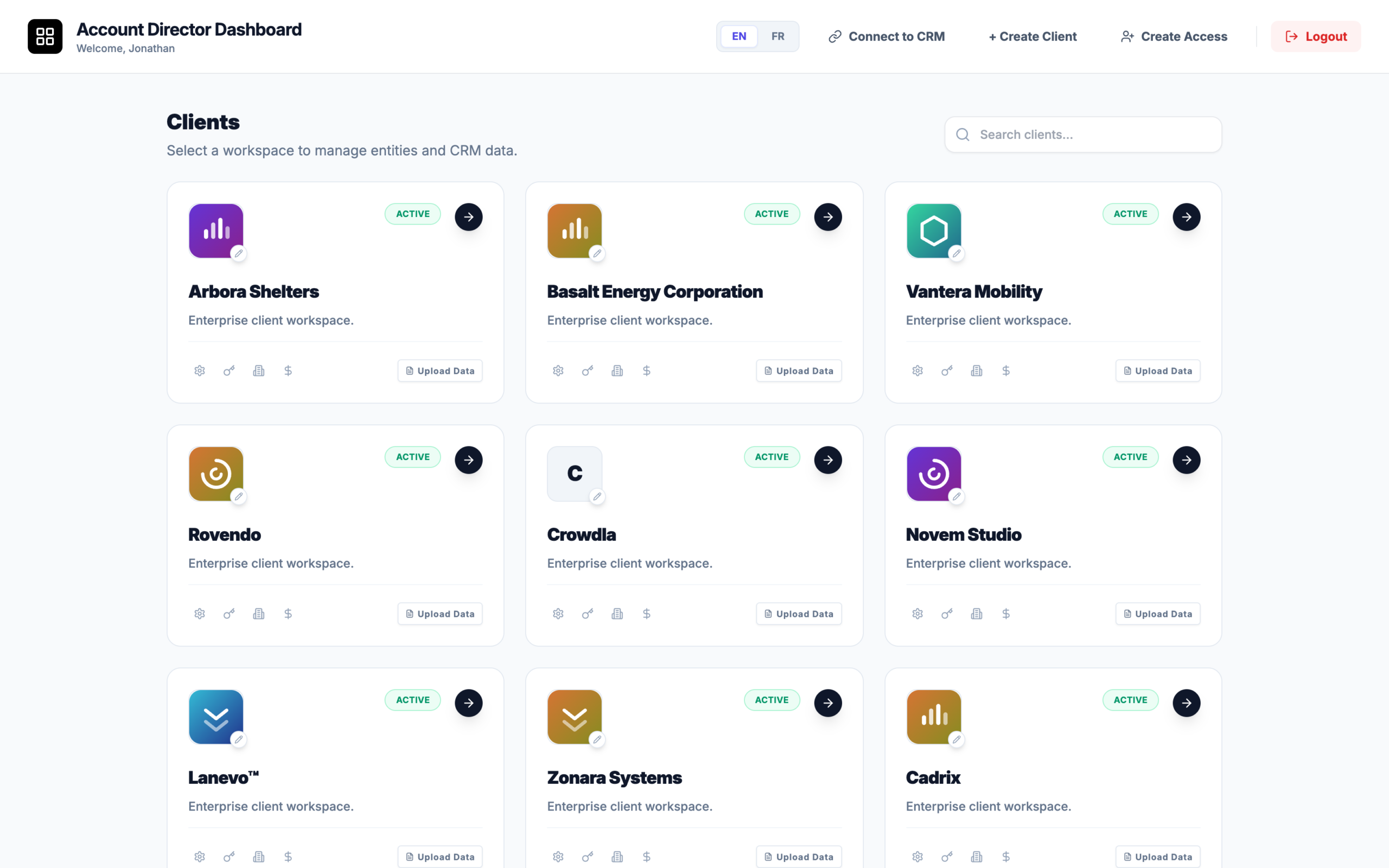
The alternative is not a better template. It is to make the thing the teams already work in the thing leadership reads, so there is no translation step to lose anything in and no lag to manage.
This is a bigger change than it sounds, because it means the model has to be good enough to be read directly — consistent vocabulary, real ownership, statuses that mean the same thing everywhere. Most organizations discover the deck was hiding how much of that was missing.
What you get back
A review that starts from the position rather than establishing it. Questions that can be answered by filtering rather than by following up. And a version of the truth that does not depend on who assembled it.